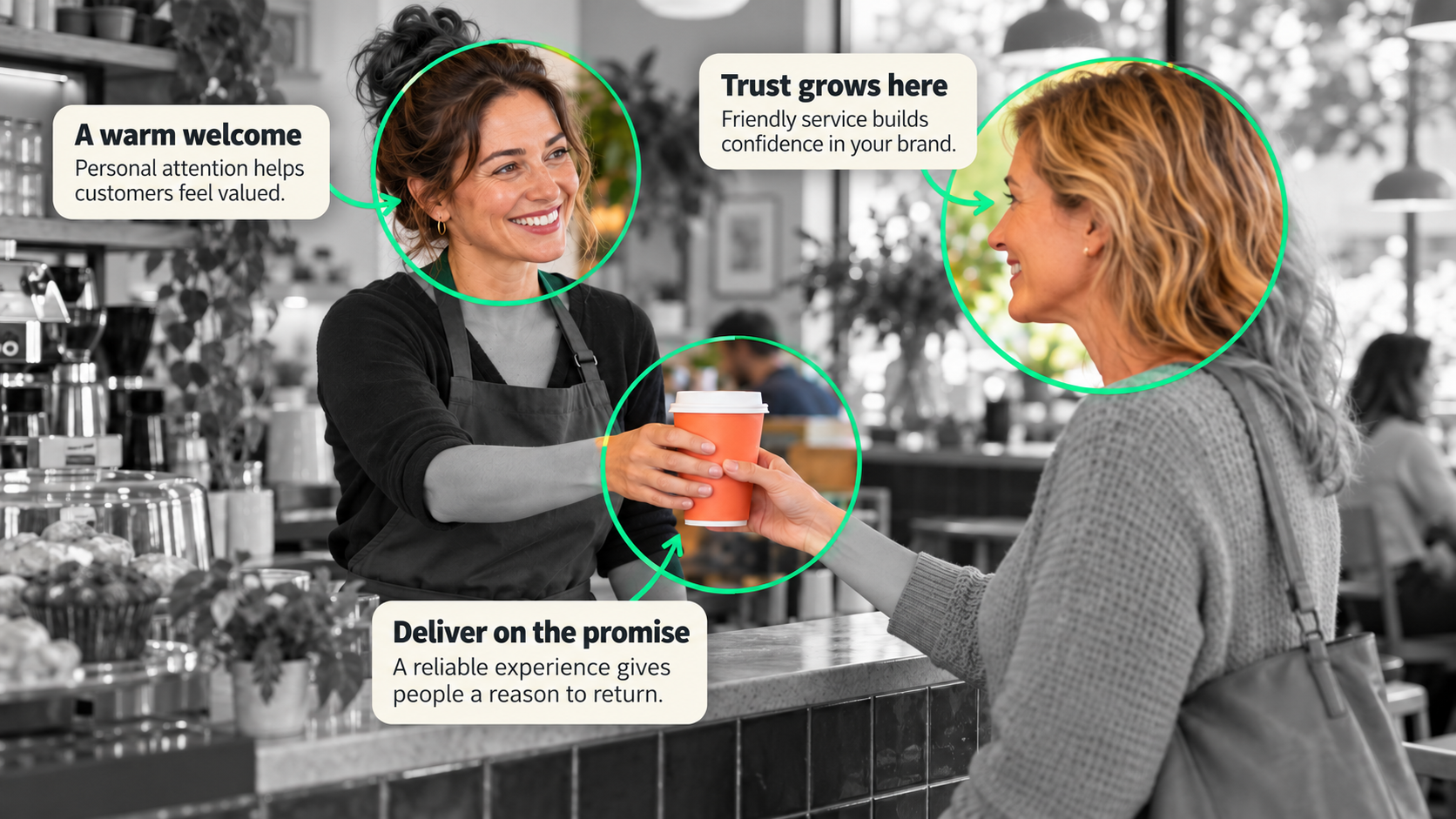
It might be the coffee shop that gets our order right, the company that makes reordering easy, or the service provider we trust to handle a problem.
We could shop around. Sometimes we do. But when a business consistently gives us a good experience, choosing it again feels comfortable.
That is the kind of loyalty many brands want to build. Getting there takes attention to what customers experience after they buy: how they get started, what they hear from the company, how problems get handled, and whether the purchase delivers what they expected.
It is easy for those details to receive less attention than the campaign that brought the customer in. Acquisition has visible deadlines and immediate results. An ad launches, orders arrive, and the team can see what happened. Retention takes longer to assess, and the work often sits across marketing, customer service, and operations.
Still, some of the most useful opportunities for growth are in those everyday interactions. Research and examples from large brands offer a good place to look for ideas, provided we are clear about what the results tell us. A company’s program can show impressive adoption without proving that the program alone caused customers to stay.
With that in mind, here are five approaches worth exploring—and ways to use them in businesses of different sizes and industries.
Make Your Communication More Relevant
Personalization can sound like a project that requires a large database and a team of analysts. For many businesses, a useful starting point is simply knowing enough about a customer to send something relevant.
Someone who has just bought from you is in a different situation from someone who has been a customer for three years. They may have different questions, different levels of experience, and different reasons for paying attention to your next email.
McKinsey’s 2021 research found that 78% of consumers said personalized content made them more likely to repurchase. The firm reported that personalization most often produced revenue lifts of 10% to 15%, with results varying by business and execution. These findings support the value of relevant communication, rather than guaranteeing a particular retention result.
Starbucks uses personalized offers within its Rewards program. Its January 2026 announcement described membership benefits intended to reflect different levels of customer engagement.
The smaller-business version might be a helpful email after someone’s first purchase. If you sell a product that takes a little practice to use, you could share a short demonstration or answer the questions new customers tend to ask. If you provide a service, you could explain what happens next and what the customer needs to prepare.
A returning customer probably does not need that same introduction. They might appreciate a reminder about something they regularly order, advice related to a previous purchase, or an update that affects their account.
You can begin by reviewing what new and returning customers receive from you. Look for one message that would be more useful with a change to the content or timing. From there, track whether it helps people take the next step, such as getting started, booking again, or making a second purchase.
The aim is to give customers the sense that your communication has something to do with them.
Make the Next Purchase Easier
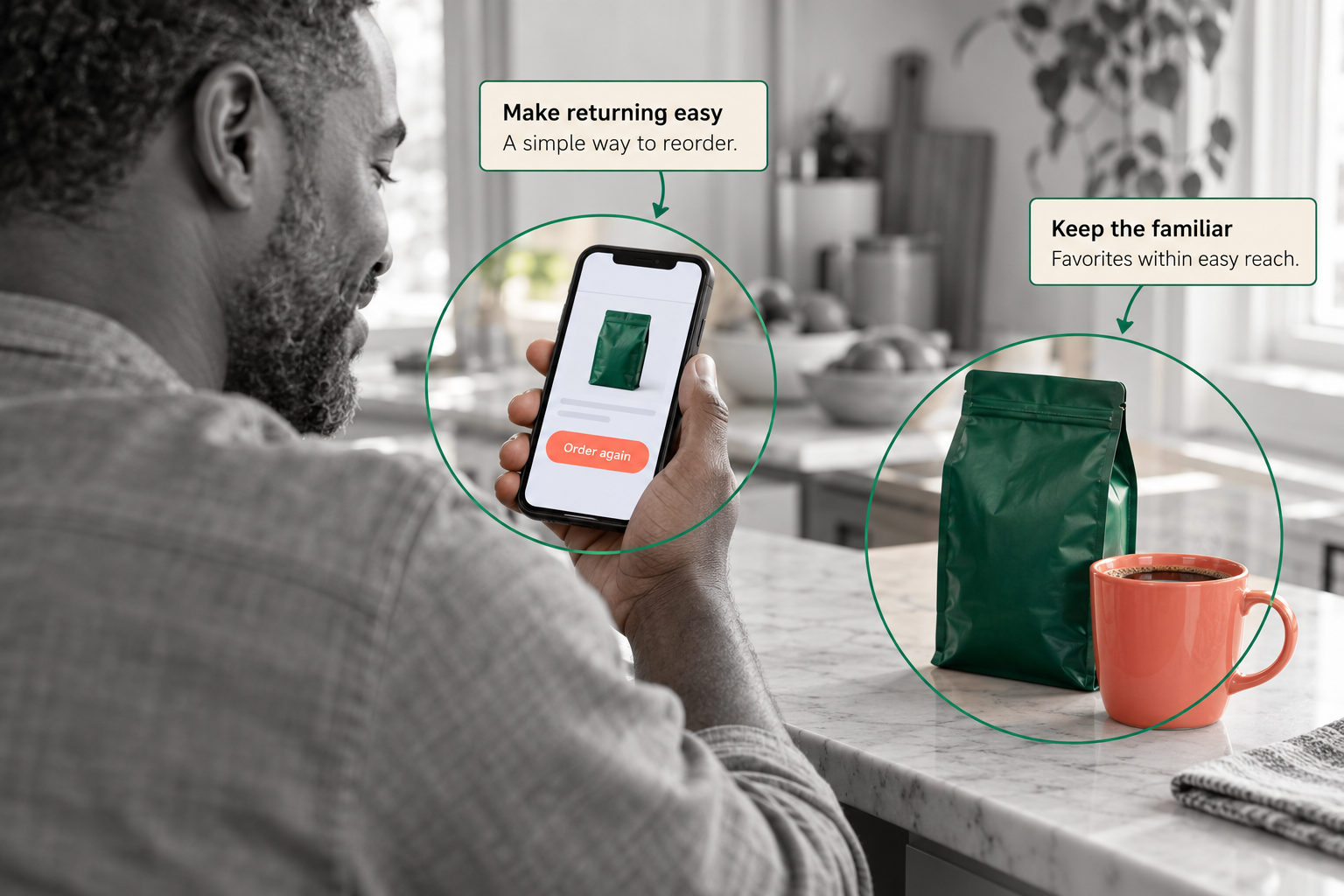
Convenience is a familiar reason for returning to a business. Once we know how something works and trust that it will be straightforward, there is less reason to start looking elsewhere.
Hilton’s Digital Key is a good example of building that convenience into the customer experience. Eligible guests can use their phones to access their rooms, supported by digital check-in and room selection. In August 2016, Hilton reported that Digital Key had opened two million doors across 400 hotels during its first year. Digital check-in with room selection was being used more than one million times per month.
Those figures show how widely guests used the features. They do not establish a separate retention increase from Digital Key, but the customer benefit is easy to appreciate. After a long day of travel, being able to go straight to your room can make the arrival experience better.
Every business has opportunities to save customers a little time or effort. Returning buyers might have trouble finding a product they ordered before. Existing clients might be asked to submit information you already have. Changing an appointment might take more work than booking it did.
A useful exercise is to go through one of those tasks yourself, preferably on the device your customers commonly use. Try finding a past order, making another booking, or changing a delivery date. You may notice small frustrations that are easy to miss when you work inside the business every day.
The fix could be as simple as a reorder link, a saved order, or a clearer route to rescheduling. For a service business, keeping previous project details accessible could make the next engagement much easier.
After making the change, look at how many customers finish the task and whether related support requests decline. Then follow their purchasing or booking behavior over the relevant period. That will help you see whether the improvement is doing more than making the process look cleaner.
Handle Problems in a Way That Rebuilds Confidence
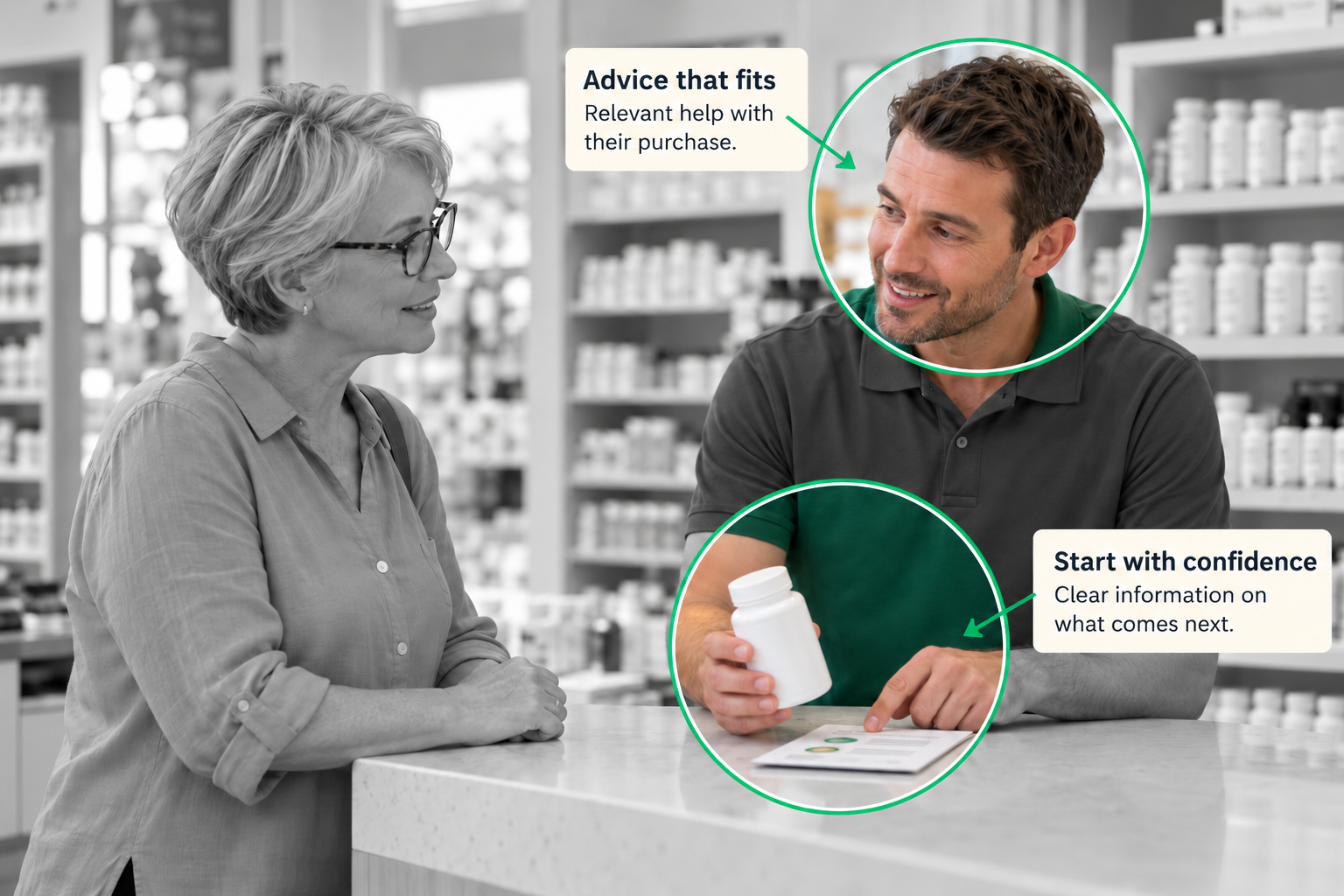
Most customers accept that mistakes happen. What follows the mistake often has a greater effect on how they feel about the company.
A missing item might be easy to replace. A billing error might be easy to correct. The experience gets more frustrating when the customer cannot get an answer or has no idea when the issue will be resolved.
T-Mobile made a substantial change to its service approach with the nationwide introduction of Team of Experts in 2018, giving customers access to a dedicated support team. In an October update, the company reported that its Net Promoter Score had increased 60% from before the model was live. That score measures stated likelihood to recommend; the increase is evidence of improved customer sentiment, rather than a 60% improvement in retention.
For a smaller business, the practical lesson is to give someone responsibility for following an issue through. They may need help from another person or department, but the customer should know what is happening and when to expect an update.
This can work with a small team. An unresolved issue gets an owner, a next step, and a realistic follow-up time. Once it has been fixed, a brief check-in can confirm that the solution worked.
Over time, those conversations can tell you where the business needs attention. Repeated questions about a charge may point to unclear billing. Frequent setup problems may suggest that customers need better instructions. A recurring delivery complaint may need an operational fix.
It is useful to track resolution time and repeat contacts, then look at what happens afterward. Customers who receive help may renew, purchase again, or recommend you. Those behaviors tell you more about the relationship than response speed alone.
Choose Benefits Your Customers Will Use
A loyalty program can be a useful way to recognize repeat customers, but the program’s value depends on what people get from it.
Starbucks reported that Rewards members accounted for nearly 60% of U.S. company-operated revenue in fiscal 2025, representing more than $13 billion in spending. That shows the program’s commercial scale, though it does not tell us how much spending the program created. Customers who already visit frequently may be more inclined to join.
Starbucks’ earlier reporting offers helpful context, too. In October 2024, the company said more frequent in-app promotions and other marketing investments had failed to improve traffic among Rewards members and customers outside the program.
So, before adding more offers, it is worth asking what customers would genuinely appreciate about doing business with you.
For some, a discount will be appealing. Others may care more about priority booking, flexible delivery, useful advice, or access to a service they would otherwise have to arrange separately.
A salon could give regular clients early access to appointment times. A service firm could include an annual review. A contractor could offer a maintenance check for returning clients. These ideas can suit businesses where purchases happen less often, since the benefit reflects the relationship rather than relying on frequent transactions.
Customer conversations are a good place to start. Ask which benefits they would use, choose one that is practical to deliver, and keep the terms easy to follow.
Then compare the cost with the result. Are customers using it? Are they returning more often or renewing at a higher rate? Does the additional business cover the expense? A benefit needs to make sense for both sides of the relationship.
Help Customers Get to a Result
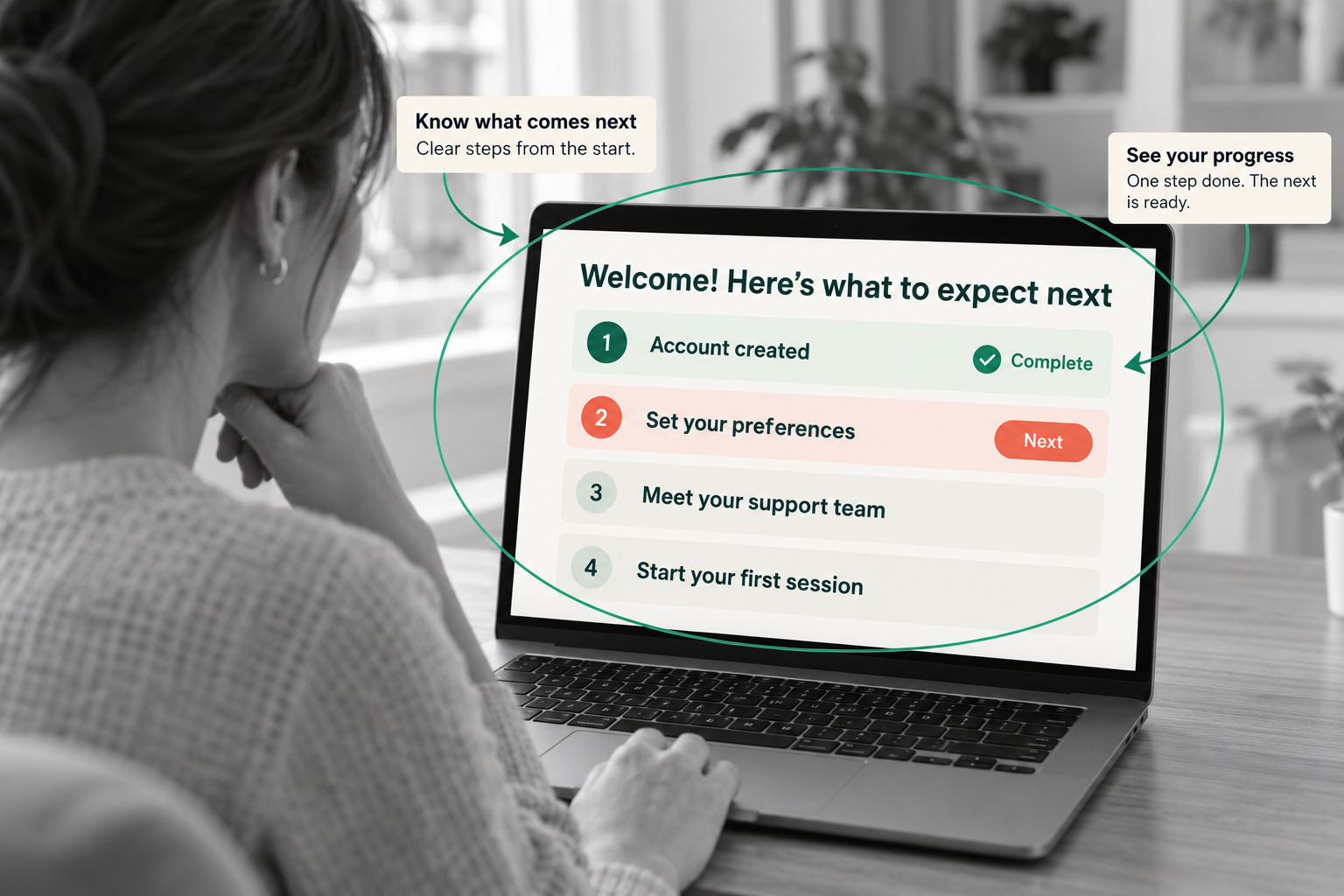
There is often a gap between buying something and getting value from it.
A person can subscribe to software without finishing setup, enroll in a course without completing the lessons, or hire a service provider without feeling clear about what has been accomplished. In each case, the purchase happened, but the customer may still be waiting for the experience they expected.
Research by Joseph Nunes and Xavier Drèze examined the “endowed progress effect,” finding that people given an initial head start on a goal showed greater persistence in completing it. The study appeared in the Journal of Consumer Research in 2006 and provides a reason to test how visible progress affects participation.
In practice, this might mean showing customers what they have completed and making the next step easier to follow.
A software company could display completed setup steps. A training business could help participants keep track of finished lessons. A service provider could send a clear update on completed project stages and upcoming decisions.
The progress should connect to something customers care about. Finishing a checklist matters less than reaching the result that prompted the purchase.
When you test this approach, look at how many customers reach that result, how long it takes, and what they do afterward. If they complete the process but still leave, their feedback may reveal a gap between what you delivered and what they hoped to receive.
Finding a Good Place to Begin
You do not need to introduce all five approaches at once. A better starting point is a recurring issue you can already see in customer feedback or behavior.
Spend some time with cancellation reasons, support conversations, and purchase history. Talk to customers who returned and customers who did not. Their explanations may help you spot an opportunity that would be difficult to identify from a report alone.
Then choose one change and decide what you want to learn from it. You might improve an onboarding email, simplify reordering, or introduce a more consistent process for resolving problems.
If you have enough customer volume, randomly assign comparable groups to the existing experience and the new one. Give both groups the same observation period. This makes the results more useful than comparing customers who received different experiences at different times.
You can review early signs within a month, but retention needs to be measured over the normal buying or renewal cycle. Keep an eye on costs, refunds, and complaints alongside repeat purchases and renewals.
Much of this work comes down to paying closer attention after the sale. When customers can get value from what they bought, receive relevant help, and feel comfortable buying again, your marketing has something meaningful to build on.